
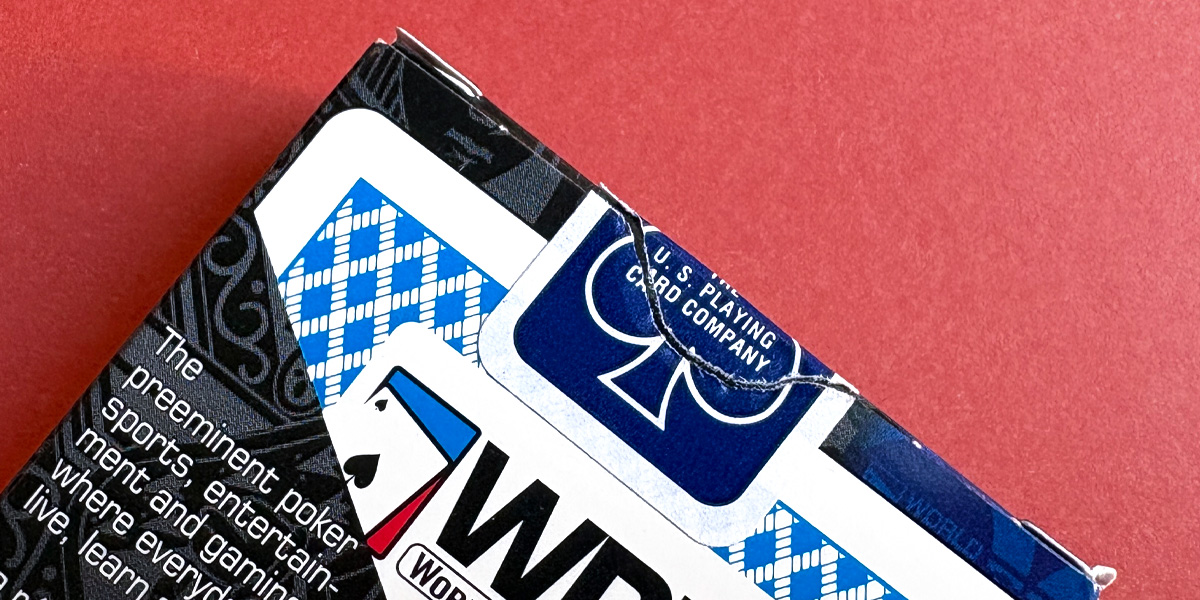
The iconic blue seal is a perceived symbol of quality playing cards. People look for these and are willing to spend a lot of money on them. Should you too? We discuss that in this article.
A Little Bit of History
Before we get into the cards themselves, let’s talk a little bit about history.
United States Playing Card Company (USPC) has been the largest playing card manufacturer for a while. They have always put seals on their playing cards as a sign of quality.
People who know even just a little about playing cards can immediately recognize the USPC seal. We are now accustomed to the black seals. But before them, blue seals were the standard.
The Move
They were the trademark of USPC decks printed before 2009. What happened? Why did they change?
In 2008, USPC moved its printing facility from Cincinnati, Ohio, to Erlanger, Kentucky. They wanted to visibly label the decks printed in Kentucky, so they swapped the blue seal for the new black one.
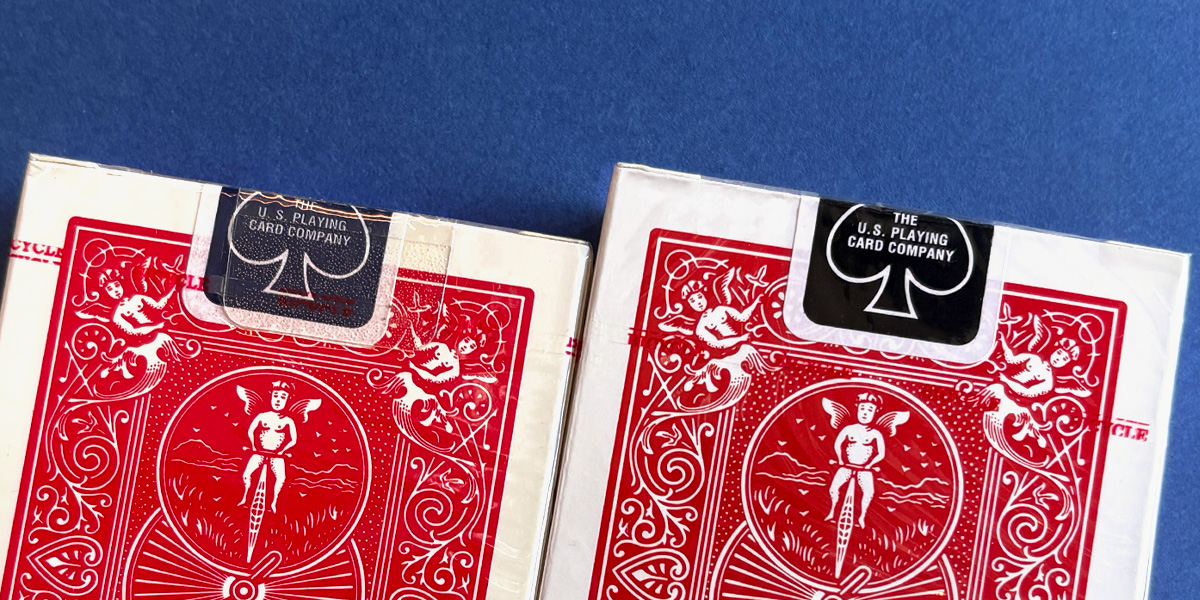
So, after this move, the blue seal became a synonym for all the decks printed in Cincinnati, Ohio, not just the ones with the literal blue seal. Some custom playing cards were produced with red and gold seals. Unfortunately, that wasn’t the only thing that changed.
Well, basically, everything changed.
New place, new facility, and, most importantly, new printing and cutting machines. And the beginning was rough. For more than two years, USPC cards went from hero to zero, so to speak. The paper stock was rigid, the cut was rough, and the cards did not fan.
If you'd like to try for yourself, get any Bicycle or Tally-Ho deck with 2009 or 2010 printed on the bottom of the box. We found that even some of the 2011 Tally-Hos were not great. There may have been some exceptions, of course, but generally, the cards were not good.
Those who were used to what we now call blue seals were not happy. They started looking for the “good ol’ Cincinnati” decks, and that’s when the “legend of blue seal” was born.
So, what’s so special about them?
The Legend of Blue Seals
They were printed on different machines, using a different stock. This combination created a unique feel that many appreciate. Fanning and durability are among the main reasons.
From my experience, the blue seal cards get better with time and use. The more you use them, the better they feel. The stock breaks in, and the cards become very nice to use.
Also, they tend to last a bit longer than the newer decks. But that depends heavily on how much you use them and how you take care of them. They are still vulnerable to heavy use, humidity, and sweaty hands, just like the new ones.
I know the blue seal decks might now sound incredibly appealing, but if you’re just starting with cards, don’t feel like you need to get these. You will be able to notice and appreciate the difference in feel after a few years of having playing cards in your hands.
Thankfully, the transition period did not last that long, and USPC got the quality back on track. The more recently printed decks, from 2014, 2015, and onward, are perfectly fine, and their quality is at the level you would expect.
Should you get these?
So, who are the blue seal decks for? Mainly collectors and playing card enthusiasts who appreciate history and enjoy trying different stocks.
I personally like blue seal decks because over the past few years, I've been getting and using cards more for their feel than for their design. If you’re like me, then try getting your hands on a blue seal deck if you don't have one. You might enjoy it, and it’s always best to try it yourself.
If you’d like to learn even more about blue seal decks, including tech specs and how to date them, read this article by Chris Severson.
/ Pavel, Store Manager of Butterfly Magic Store
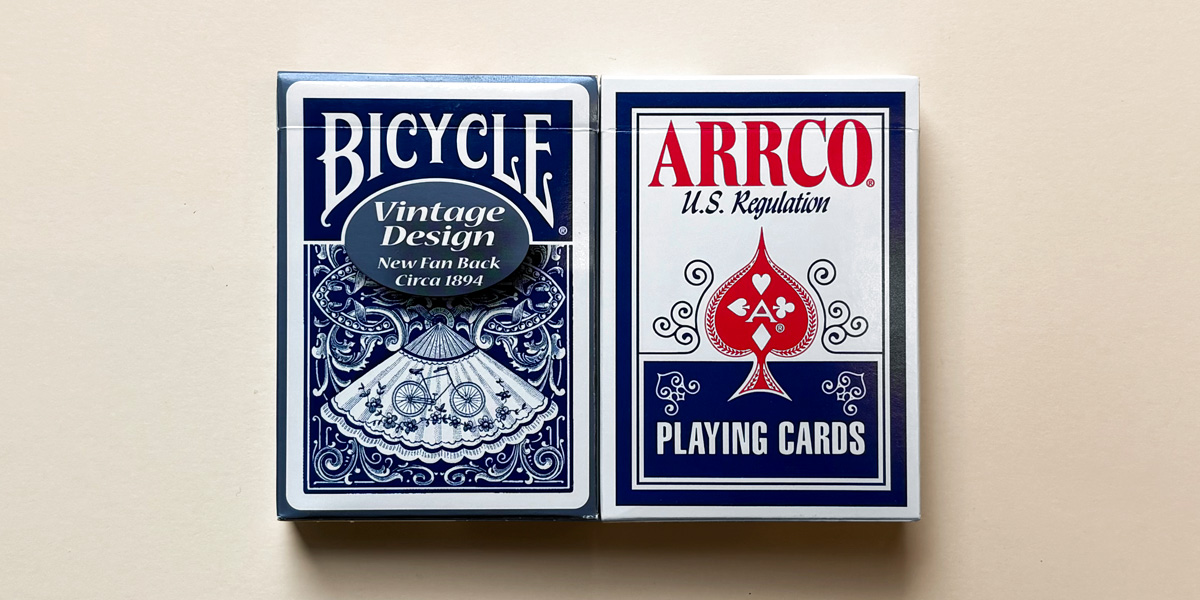
PS. We might still have some blue seal Arrco decks available if you'd like to try them.